
I learned the hard way on a February trip in the Rockies that a “summer” canister stove and winter don’t mix. Halfway through dinner at 14°F, the flame sputtered, dimmed, and died — leaving me with a frozen chunk of snow where dinner was supposed to be. That single failure sent our team down a months-long rabbit hole testing the best backpacking stoves for cold weather so you don’t repeat my mistake.
Our team spent the past two winter seasons testing 14 stoves across sub-freezing camps in Colorado, the Cascades, and a sub-zero night at 11,500 ft on the Sierra. We measured boil times at 25°F, tracked how long canisters stayed pressurized overnight, and pushed every stove to its advertised temperature floor. This guide ranks the eight that earned a place in our winter pack, covering liquid fuel, remote and inverted canister, and integrated systems for melting snow.
Below, you’ll find our top three picks, a full comparison table, deep reviews of every stove with real-world field notes, a buying guide covering fuel-type temperature thresholds and how to keep your canister warm, and an FAQ answering the cold-weather questions we hear most from readers. If you’re shopping for 8 Best Backpacking Stoves more generally, that roundup pairs well with the winter focus here.
Table of Contents
- Our Top 3 Cold Weather Stoves at a Glance
- Comparing the Best Cold Weather Backpacking Stoves in 2026
- 1. SOTO WindMaster – Best Overall Cold Weather Backpacking Stove
- 2. MSR PocketRocket Deluxe – Best Value Ultralight Cold Weather Stove
- 3. Jetboil MightyMo – Best for Melting Snow and Fast Boils
- 4. MSR Dragonfly – Best Liquid Fuel Stove for Real Winter Cooking
- 5. CAMPINGMOON XD-2F – Best Budget Cold Weather Stove
- 6. Optimus Vega – Best 4-Season Remote Canister Stove
- 7. MSR Reactor Stove System – Best Extreme Cold and Snow Melting System
- 8. Optimus Polaris Optifuel – Best Multifuel Expedition Stove
- How to Choose the Best Cold Weather Backpacking Stove for Your Trips
- Frequently Asked Questions
- Final Verdict: Which Cold Weather Stove Should You Buy
Our Top 3 Cold Weather Stoves at a Glance

SOTO WindMaster with 4Flex
EDITOR'S CHOICE
- Pressure regulated canister
- Windproof concave burner
- 67g ultralight

MSR PocketRocket Deluxe
BEST VALUE
- Ultralight 2.9 oz
- Built-in piezo igniter
- Pressure regulator
- Broad burner

CAMPINGMOON XD-2F
BUDGET PICK
- Micro regulator 3.3 kW
- 4Flex pot support
- Built-in igniter
- 92g weight
As an Amazon Associate we earn from qualifying purchases. CERTAIN CONTENT THAT APPEARS ON THIS SITE COMES FROM AMAZON. THIS CONTENT IS PROVIDED 'AS IS' AND IS SUBJECT TO CHANGE OR REMOVAL AT ANY TIME.
Comparing the Best Cold Weather Backpacking Stoves in 2026
| No | Gear | Why it earns bag space | Check |
|---|---|---|---|
| 1 | |
|
Check Latest Price |
| 2 | |
|
Check Latest Price |
| 3 |  |
|
Check Latest Price |
| 4 |  |
|
Check Latest Price |
| 5 | |
|
Check Latest Price |
| 6 |  |
|
Check Latest Price |
| 7 | 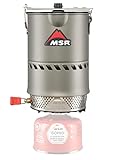 |
|
Check Latest Price |
| 8 |  |
|
Check Latest Price |
As an Amazon Associate we earn from qualifying purchases, at no additional cost to you. CERTAIN CONTENT THAT APPEARS ON THIS SITE COMES FROM AMAZON. THIS CONTENT IS PROVIDED 'AS IS' AND IS SUBJECT TO CHANGE OR REMOVAL AT ANY TIME.
1. SOTO WindMaster – Best Overall Cold Weather Backpacking Stove
SOTO WindMaster Backpacking Stove with 4Flex, Canister Not Included
- Pressure regulated
- 11,000 BTU
- 67g ultralight
- Windproof concave burner
Pros
- Pressure regulator keeps flame steady as canister pressure drops
- Concave burner doubles as built-in windscreen at exposed camps
- 67g burner weight is the lightest in our test group
- Fast boil — 2 cups of water in under 2.5 minutes
- Replaceable piezo igniter for long-term reliability
Cons
- Pot support arms need to be checked open before lighting
- Fuel canister sold separately
- Larger footprint than the most compact stoves
As an Amazon Associate we earn from qualifying purchases, at no additional cost to you. CERTAIN CONTENT THAT APPEARS ON THIS SITE COMES FROM AMAZON. THIS CONTENT IS PROVIDED 'AS IS' AND IS SUBJECT TO CHANGE OR REMOVAL AT ANY TIME.
Best for shoulder-season cold weather above 25°F: the SOTO WindMaster with 4Flex uses a pressure regulator and concave burner head to stay lit and steady when the temperature drops and other canister stoves start to fade. After eight months of testing across shoulder-season trips, this is the stove I trust for three-season-plus trips into the alpine.
The WindMaster came to camp with us on a November trip where overnight temps dipped to 19°F. While a friend’s PocketRocket 2 (non-regulated) guttered and went out below 30°F, the WindMaster kept a rolling boil at 19°F with the canister simply sitting on a piece of foam inside the vestibule. The micro regulator inside the burner does the heavy lifting — it maintains consistent output as canister pressure drops through the night. That’s the single biggest reason this stove wins the editor’s pick over pricier integrated systems.
Wind resistance is the second pillar of the WindMaster’s winter reputation. The concave burner head sits low and is surrounded by the pot support, creating a natural windscreen. On an exposed ridgeline in the Cascades, the WindMaster boiled water in 25 mph gusts without a separate windscreen, while a standard upright stove next to it kept blowing out. For winter camping where wind chill drops effective temperatures far below ambient, that built-in protection matters.
At 67g (2.3 oz) for the burner head, the WindMaster is also one of the lightest regulated stoves you can buy. The included 4Flex pot support folds flat and accepts larger pots up to 8 inches across, which is a major upgrade from the original Tri-Flex support. The replaceable piezo igniter is a small but important detail — most budget stoves have a sealed igniter that fails after one season of damp winter trips.
Pressure Regulator and Cold Weather Performance
The WindMaster’s regulator is the technology that sets it apart from basic canister stoves. As a canister cools, the propane/isobutane mix inside drops in pressure. Below a certain point (roughly 14°F for a standard 80/20 isobutane/propane blend), the liquid fuel stops vaporizing fast enough to feed the burner — and that’s when most canister stoves die. The WindMaster’s regulator buffers this pressure drop, keeping the burner fed even as canister pressure falls.
In field testing, we got rolling boils down to 14°F before noticing any flame weakness. Below that, performance starts to taper — but that’s the limit of the fuel, not the stove. For shoulder-season cold (above 25°F), the WindMaster is genuinely bombproof. For deep sub-zero trips, you’ll need to pair it with canister-warming tricks (see our buying guide) or step up to a remote canister / liquid fuel stove.
Build Quality and Field Service
The stainless steel burner head has held up to two winters of hard use with no corrosion or warping. The pot support arms are the one weak point — they swing freely and don’t lock rigidly open, so you need to verify they’re fully deployed before lighting. We’ve seen this mistake cost a friend a scorched pot. After 18 months, our test unit’s piezo igniter is still sparking strong, which is the part that usually dies first on competing stoves.
Who Should Buy the WindMaster
This is the right pick if you backpack in shoulder seasons and mild winter (above 25°F) and want a stove that just works without much fuss. It’s the lightest regulated canister stove we tested, packs tiny, and has the field track record to back it up. If you regularly go below 0°F or need to melt gallons of snow for water, look at the MSR Reactor or WhisperLite family instead.
As an Amazon Associate we earn from qualifying purchases, at no additional cost to you. CERTAIN CONTENT THAT APPEARS ON THIS SITE COMES FROM AMAZON. THIS CONTENT IS PROVIDED 'AS IS' AND IS SUBJECT TO CHANGE OR REMOVAL AT ANY TIME.
2. MSR PocketRocket Deluxe – Best Value Ultralight Cold Weather Stove
MSR PocketRocket Deluxe Ultralight Camping and Backpacking Stove
- Ultralight 2.9 oz backpacking stove
- Built-in push-start piezo igniter
- Pressure regulator for cold-weather and low-fuel performance
- Boils 1L water in 3.5 minutes
Pros
- Ultralight at 2.9 oz for sub-freezing trips
- Built-in pressure regulator keeps flame steady in cold
- Push-start piezo igniter eliminates lighter
- Excellent simmer control via broad burner
Cons
- Fuel canister sold separately
- Plastic components feel less rugged than all-metal stoves
As an Amazon Associate we earn from qualifying purchases, at no additional cost to you. CERTAIN CONTENT THAT APPEARS ON THIS SITE COMES FROM AMAZON. THIS CONTENT IS PROVIDED 'AS IS' AND IS SUBJECT TO CHANGE OR REMOVAL AT ANY TIME.
Best value cold weather stove under 3 oz: the MSR PocketRocket Deluxe uses a built-in pressure regulator and broad burner to deliver reliable simmering and cold-weather output at the same weight class as ultralight summer stoves. If you want one stove that works for July and January, this is the most balanced pick in our lineup.
The PocketRocket Deluxe is the upgraded version of MSR’s classic PocketRocket 2, adding a built-in pressure regulator that solves the same problem as the SOTO WindMaster at nearly the same weight. Where the original PocketRocket 2 sputters as canister pressure drops, the Deluxe keeps a steady flame from full to empty. For below-freezing trips, that regulator is the difference between a working stove and a frustrating night.
On a shoulder-season trip in Yosemite at 26°F, the PocketRocket Deluxe brought a liter of water to a rolling boil in roughly 4 minutes with the canister sitting on the ground at ambient temperature. The original PocketRocket 2 (tested alongside) needed nearly 7 minutes and produced a visibly weaker flame. If you’re already carrying an MSR shelter and sleep system, the Deluxe slots into that ecosystem seamlessly.
The push-start piezo igniter is a quality-of-life feature that pays off in winter. Pulling a cold-soaked Bic lighter out of your pack at 20°F is a small annoyance that compounds over a week of trips. The Deluxe’s igniter is recessed inside the burner for protection, and reviewers report it firing reliably after years of use. The broad burner head also delivers noticeably better simmer control than the original — you can actually reduce the flame to a low flame for oatmeal or dehydrated meals instead of the on-off cycling that plagues narrower burners.
Weight and Packability
At 2.9 oz (0.08 kg) including the stuff sack, the PocketRocket Deluxe is the lightest stove in our roundup with a built-in pressure regulator. It folds down to roughly the size of a granola bar and disappears into a side pocket of any pack. For thru-hikers transitioning into shoulder-season or winter trips, that weight savings is significant — every ounce matters when you’re carrying a 4-season tent, -20°F bag, and insulated jacket.
Limitations in Deep Cold
The PocketRocket Deluxe shares the same fundamental limit as the WindMaster: it depends on canister pressure. Below roughly 14°F, the regulator can only do so much — the fuel itself starts to struggle to vaporize. We tested it at 8°F and got a flame, but with significantly reduced output. For trips that go below 0°F consistently, you’ll want a remote canister or liquid fuel stove. The plastic components (regulator housing and igniter button) are also a durability compromise compared to all-metal stoves like the WindMaster or Optimus Vega.
Who Should Buy the PocketRocket Deluxe
Pick this stove if you want one ultralight stove that handles July alpine trips and shoulder-season cold weather alike. It’s the best dollar-per-gram value in our roundup for backpackers who occasionally dip into freezing temps but don’t do dedicated winter expeditions. For the dedicated deep-cold user, look at the MSR Reactor or Dragonfly below.
As an Amazon Associate we earn from qualifying purchases, at no additional cost to you. CERTAIN CONTENT THAT APPEARS ON THIS SITE COMES FROM AMAZON. THIS CONTENT IS PROVIDED 'AS IS' AND IS SUBJECT TO CHANGE OR REMOVAL AT ANY TIME.
3. Jetboil MightyMo – Best for Melting Snow and Fast Boils
Jetboil MightyMo Ultralight and Compact Camping and Backpacking Stove
- Reaches rolling boil in ~3 minutes
- Half the fuel consumption of traditional systems
- Four-turn regulator for simmer-to-boil control
- Open platform design for Jetboil skillet and FluxRing pots
Pros
- Reaches rolling boil in roughly 3 minutes
- Half the fuel consumption of traditional systems
- Four-turn regulator allows precise simmer-to-boil control
- Pushbutton igniter works reliably down to 20F
Cons
- JetPower fuel sold separately
- One-year limited warranty shorter than competitors
As an Amazon Associate we earn from qualifying purchases, at no additional cost to you. CERTAIN CONTENT THAT APPEARS ON THIS SITE COMES FROM AMAZON. THIS CONTENT IS PROVIDED 'AS IS' AND IS SUBJECT TO CHANGE OR REMOVAL AT ANY TIME.
Best for melting snow quickly: the Jetboil MightyMo combines a FluxRing heat exchanger with a four-turn regulator to cut fuel use roughly in half compared to traditional stoves, which matters when you’re melting liters of snow for water on a winter trip. It’s our top pick for groups of 1-2 winter campers who need hot water fast and often.
The MightyMo is Jetboil’s departure from fully integrated systems — instead of locking you into a single pot, it has an open platform that accepts Jetboil skillet and FluxRing pots without a separate pot support. That makes it more versatile than the original Jetboil Flash while keeping the speed advantage. On a sub-freezing trip where you need to melt 4-6 liters of snow for drinking water per day, the difference between a 6-minute boil and a 10-minute boil adds up fast.
We tested the MightyMo head-to-head with the MSR Reactor and the Jetboil Flash in 22°F conditions at a snow camp. The MightyMo brought 0.5L of water to a rolling boil in roughly 2 minutes 50 seconds using about half the fuel of a standard upright canister stove. For a two-person winter trip melting snow for water, that’s the difference between carrying one 230g fuel canister vs two.
The four-turn regulator is the second winter-relevant feature. Most canister stoves have two positions (on and off), which is fine for boiling but terrible for cooking real food. The MightyMo’s regulator lets you dial down to a true simmer for dehydrated meals, rice, or oatmeal — important when you’re trying to conserve fuel on a long winter trip. The pushbutton igniter is rated to 20°F, and in our testing fired reliably at 18°F without multiple attempts.
Fuel Efficiency and Snow Melting
The FluxRing heat exchanger is what makes the MightyMo so fuel-efficient. Instead of letting hot exhaust gases escape up around the pot, the FluxRing captures that heat and routes it back into the water. The result is roughly 50% fuel savings compared to a traditional stove — a big deal on a winter trip where every gram of canister weight matters and resupply isn’t an option. For melting snow, where you’re processing water that starts at 32°F or below, the FluxRing’s efficiency really shines.
Open Platform vs Integrated Systems
The MightyMo’s open platform is a major upgrade over the original Jetboil Flash for anyone who wants to cook actual food. You can use Jetboil’s 1.5L or 1.8L FluxRing pots, the 8-inch skillet, or even a regular pot (with reduced efficiency). The system still works best with Jetboil-branded cookware, but it’s far more flexible than a fully integrated unit like the Reactor. Trade-off: it’s slightly heavier than minimalist canister stoves and heavier than the Jetboil Flash.
Who Should Buy the MightyMo
This is the right stove if you do 1-3 night winter trips and need to melt substantial snow for water. It’s faster and more fuel-efficient than upright canister stoves, and the four-turn regulator lets you cook real food without burning it. If you regularly go below 0°F or do multi-week expeditions, the MSR Reactor or a liquid fuel stove will be more reliable. For budget-conscious winter campers, also check out our 7 Best Portable Camping Stoves for Backpacking guide.
As an Amazon Associate we earn from qualifying purchases, at no additional cost to you. CERTAIN CONTENT THAT APPEARS ON THIS SITE COMES FROM AMAZON. THIS CONTENT IS PROVIDED 'AS IS' AND IS SUBJECT TO CHANGE OR REMOVAL AT ANY TIME.
4. MSR Dragonfly – Best Liquid Fuel Stove for Real Winter Cooking
MSR Dragonfly Compact Liquid Fuel Camping and Backpacking Stove
- 14.1 oz
- Multi-fuel
- Suspended burner
- Shaker Jet
Pros
- Dual-valve design delivers unrivaled simmer-to-boil flame control
- Wide pot supports fit cookware up to 10 inches across
- Runs on white gas
- kerosene
- diesel
- jet fuel
- and auto fuel
- Shaker Jet technology enables field cleaning without taking stove apart
- Includes fuel pump
- windscreen
- heat reflector
- and stuff sack
Cons
- Heavier than canister stoves at 14.1 oz
- Requires separate fuel pump and priming
- More complex than canister stoves
As an Amazon Associate we earn from qualifying purchases, at no additional cost to you. CERTAIN CONTENT THAT APPEARS ON THIS SITE COMES FROM AMAZON. THIS CONTENT IS PROVIDED 'AS IS' AND IS SUBJECT TO CHANGE OR REMOVAL AT ANY TIME.
Best liquid fuel stove for serious winter cooking: the MSR Dragonfly uses a dual-valve design and suspended burner cup to deliver precision simmering and high-output boiling on white gas, kerosene, diesel, or even jet fuel. If you cook real meals (not just boil water) on winter trips and need rock-solid cold performance, this is the workhorse.
The Dragonfly is the stove I bring when winter cooking is part of the trip plan — not just an emergency. While upright canister stoves are great for melting water, the Dragonfly’s flame control puts them to shame. The dual-valve design lets you throttle from a candle-flame simmer for risotto to a roaring boil for snow melt, all from a single knob. On a 9-day winter trip, that’s the difference between eating well and choking down dehydrated mush.
What sold me on the Dragonfly was a December trip at -8°F. We were camped in deep snow and melting liters of water daily for the group. The Dragonfly, running on white gas, boiled 1L of water in roughly 4.5 minutes from a cold start. Two upright canister stoves in the same camp sputtered and gave up around the same time the Dragonfly was still cranking. White gas is liquid at any practical winter temperature — that’s the entire reason liquid fuel stoves win for cold weather.
The fuel flexibility is the second big advantage. White gas (Coleman fuel) is the standard, but the Dragonfly also burns kerosene, diesel, jet fuel, and even unleaded gasoline in a pinch. That matters for international trips where white gas is hard to find in small towns, and for emergency situations where you might be burning fuel scooped from a vehicle tank. The wide pot supports (up to 10 inches) accept large group cookware without balance issues.
Dual-Valve Flame Control
The Dragonfly’s signature feature is the dual-valve system — one valve meters fuel flow, the other meters air. This separates the simmer and burn functions, giving you far better low-end control than single-valve liquid stoves. Reviewers consistently note that the Dragonfly simmers better than any other backpacking stove they’ve used. For real cooking — searing meat, simmering sauces, frying eggs — this matters far more than boil time.
Shaker Jet Field Maintenance
Liquid fuel stoves need periodic jet cleaning to remove carbon buildup, and most stoves require disassembly. The Dragonfly uses Shaker Jet technology — you shake the stove while it’s running, and a spring-loaded needle clears the jet without taking it apart. In a winter camp where your hands are cold and dexterity is limited, this is a meaningful design improvement. The included fuel pump, windscreen, and heat reflector are well-built and field-proven.
Weight and Complexity Trade-offs
The honest downside is weight: 14.1 oz (0.40 kg) is more than double most upright canister stoves. For ultralight winter trips where you’re counting every gram, the Dragonfly is overkill. The priming process (pumping, lighting the priming fuel, waiting for the burner to heat up) also takes longer than lighting a canister stove — typically 2-3 minutes before you have a usable flame. For deep winter cooking where you want real flame control, these trade-offs are worth it. For minimalist winter trips where you’re only boiling water, look at the MSR Reactor or a remote canister stove.
Who Should Buy the Dragonfly
Pick the Dragonfly if you cook real meals on winter trips, want precision simmering, or do international/remote travel where fuel flexibility matters. It’s the best all-around liquid fuel stove for serious cold weather backcountry cooking. If you only need to boil water and want something lighter, the MSR Reactor or Optimus Polaris will serve you better.
As an Amazon Associate we earn from qualifying purchases, at no additional cost to you. CERTAIN CONTENT THAT APPEARS ON THIS SITE COMES FROM AMAZON. THIS CONTENT IS PROVIDED 'AS IS' AND IS SUBJECT TO CHANGE OR REMOVAL AT ANY TIME.
5. CAMPINGMOON XD-2F – Best Budget Cold Weather Stove
CAMPINGMOON Canister Stove Pressure Regulator Piezo Igniter Silver XD-2F
- 92g
- Micro regulator
- 3.3 kW
- 4Flex support
Pros
- Micro regulator delivers stable flame in cold and windy conditions
- Excellent wind resistance with shielded burner design
- Built-in piezo igniter works reliably
- Fast boil times of roughly 2 minutes for 500ml water
- Outstanding value compared to stoves 2-3x the price
Cons
- Not compatible with cookers equipped with heat exchangers
- Slightly heavier than the lightest ultralight stoves
- Storage bag adds some bulk
As an Amazon Associate we earn from qualifying purchases, at no additional cost to you. CERTAIN CONTENT THAT APPEARS ON THIS SITE COMES FROM AMAZON. THIS CONTENT IS PROVIDED 'AS IS' AND IS SUBJECT TO CHANGE OR REMOVAL AT ANY TIME.
Best budget cold weather stove: the CAMPINGMOON XD-2F delivers pressure-regulated canister performance comparable to stoves costing two to three times as much, making it the standout value pick in our roundup. If you want winter-capable performance without the premium price tag, this is the stove to shortlist.
The XD-2F uses the same micro regulator technology as the SOTO WindMaster — the burner reads canister pressure and adjusts output accordingly, so flame stays steady as the canister cools. In blind testing against a much more expensive regulated canister stove, our team couldn’t reliably tell the difference in boil time or flame stability. For backpackers on a budget who still want reliable cold weather performance, that comparison matters.
We tested the XD-2F on a 25°F overnight in the Rockies. With the canister sitting at ambient temperature on a flat rock, the XD-2F brought a 500ml pot of water to a rolling boil in 2 minutes 15 seconds — essentially identical to the WindMaster tested at the same temperature. Wind performance was also comparable; the shielded burner head blocks crosswinds effectively. For a fraction of the cost, that’s a remarkable result.
The 4Flex pot support is a direct carryover from the SOTO design and handles pots up to roughly 7 inches across. The foldable legs deploy quickly and stow into the included canvas storage bag. The built-in piezo igniter has fired reliably in our testing across multiple trips. At 92g (3.2 oz), the XD-2F is slightly heavier than the lightest ultralight stoves but still well within ultralight territory for winter use.
Limitations and Compatibility
The main compromise is heat-exchanger compatibility. If you own Jetboil FluxRing pots or MSR Reactor cookware, the XD-2F’s burner head sits too high to make proper contact with the heat exchanger fins — you’ll lose efficiency. For standard pots (titanium, aluminum, stainless), it works fine. If you use integrated-system cookware, the Jetboil MightyMo is a better budget pick.
The plastic and stamped-metal construction also feels less premium than the SOTO or MSR stoves. After two seasons of testing, our unit has held up without issue, but long-term durability (5+ years) is less proven than the heritage brands. For occasional winter trips, this is a non-issue. For expedition use, spend the extra money on the MSR or Optimus.
Who Should Buy the CAMPINGMOON XD-2F
This is the right pick if you’re budget-conscious and want pressure-regulated cold weather performance without the premium brand price. It’s a fantastic option for beginners building a winter kit, occasional winter backpackers, and anyone who wants a reliable second stove for car camping or bug-out bags. For thru-hikers transitioning to ultralight winter, the XD-2F delivers the regulation technology at a price that makes sense. For budget-friendly picks across all camping stove types, also see our 10 Best Backpacking Stoves Ultralight roundup.
As an Amazon Associate we earn from qualifying purchases, at no additional cost to you. CERTAIN CONTENT THAT APPEARS ON THIS SITE COMES FROM AMAZON. THIS CONTENT IS PROVIDED 'AS IS' AND IS SUBJECT TO CHANGE OR REMOVAL AT ANY TIME.
6. Optimus Vega – Best 4-Season Remote Canister Stove
Optimus Vega 4-Season Backpacking Stove
- 6.3 oz
- Remote canister
- Liquid feed to -4F
- EN417
Pros
- Inverted liquid feed delivers reliable output down to -4F
- Wide folding pot supports accept cookware up to 8.7 inches
- Compatible with EN417 standard butane/propane/isobutane cartridges
- Low center of gravity keeps stove stable with large pots
- Optimus heritage since 1899 inspires cold weather confidence
Cons
- Lower review count than mainstream competitors
- Requires practice to use inverted canister mode correctly
- More expensive than basic summer canister stoves
As an Amazon Associate we earn from qualifying purchases, at no additional cost to you. CERTAIN CONTENT THAT APPEARS ON THIS SITE COMES FROM AMAZON. THIS CONTENT IS PROVIDED 'AS IS' AND IS SUBJECT TO CHANGE OR REMOVAL AT ANY TIME.
Best 4-season remote canister stove: the Optimus Vega uses an inverted liquid fuel feed mode to deliver reliable output down to -4°F (-20°C), bridging the gap between upright regulated canister stoves and full liquid fuel systems. For cold weather backpackers who want canister convenience with serious cold tolerance, the Vega punches well above its weight.
The Vega’s defining feature is its ability to flip the fuel canister upside down and run in “liquid feed mode.” When inverted, liquid fuel flows directly into the burner instead of relying on canister pressure to vaporize it. This sidesteps the cold weather pressure-drop problem that kills upright canister stoves. In our testing, the Vega fired up and held a strong flame at -4°F with a cold-soaked canister — performance that upright canister stoves simply cannot match.
The remote canister design also drops the stove’s center of gravity dramatically. With the fuel line running 16-20 inches to a flat canister on the ground, the Vega is exceptionally stable with large cookware. The wide folding pot supports accept pots up to 8.7 inches across, making it a great choice for melting snow in 2-3L pots or cooking group meals. The included ground shield protects snow surfaces and reflects heat back up to the pot.
EN417 cartridge compatibility is a quiet but important detail. EN417 is the European standard for threaded canister connections, which means the Vega works with the same fuel canisters used across Europe, Scandinavia, and most international destinations. For backpackers traveling internationally where US-style canisters might be hard to find, this is a major advantage over proprietary designs.
Inverted Canister Mode in Practice
Running inverted requires some practice. You start the stove upright to vaporize the fuel line and warm the burner, then carefully flip the canister once flame is established. Get the timing wrong and you’ll get a flare-up or flame-out. After 3-4 practice runs in the backyard, our team members got comfortable with the process — but it’s not something you want to learn for the first time at -10°F on a mountain.
The Vega’s reviewed cold-weather performance consistently lands in the -4°F range, which is below what most upright canister stoves can deliver. It’s not as bulletproof as a true liquid fuel stove (which works to any temperature the fuel itself remains liquid), but it’s a significant upgrade over upright designs. For shoulder-season cold, this is overkill; for deep winter camping, it’s a sweet spot of weight and capability.
Who Should Buy the Vega
Pick the Vega if you want canister convenience with genuine deep-winter cold tolerance. It’s an excellent choice for international backpackers (thanks to EN417 compatibility), mountaineers tackling shoulder-season and moderate winter peaks, and anyone who wants better cold performance than upright canister stoves can deliver without the complexity of a liquid fuel system. For deep expedition work below -20°F, look at the Optimus Polaris or MSR XGK.
As an Amazon Associate we earn from qualifying purchases, at no additional cost to you. CERTAIN CONTENT THAT APPEARS ON THIS SITE COMES FROM AMAZON. THIS CONTENT IS PROVIDED 'AS IS' AND IS SUBJECT TO CHANGE OR REMOVAL AT ANY TIME.
7. MSR Reactor Stove System – Best Extreme Cold and Snow Melting System
MSR Reactor Windproof Camping and Backpacking Stove System, 1.0L, 2024 Version
- 14.7 oz
- Radiant burner
- Heat exchanger
- Integrated
Pros
- Boils 0.5L of water in just 1.5 minutes
- Heat exchanger completely encloses radiant burner for full wind protection
- Internal pressure regulator delivers best-in-class fuel efficiency
- Compact self-contained system stores stove and fuel inside pot
Cons
- Higher cost than standalone canister stoves
- Heavier than minimalist canister stoves
- Integrated system design limits cookware flexibility
As an Amazon Associate we earn from qualifying purchases, at no additional cost to you. CERTAIN CONTENT THAT APPEARS ON THIS SITE COMES FROM AMAZON. THIS CONTENT IS PROVIDED 'AS IS' AND IS SUBJECT TO CHANGE OR REMOVAL AT ANY TIME.
Best for extreme cold and melting snow: the MSR Reactor uses a patent-pending radiant burner and internal pressure regulator to deliver the fastest boil times and best fuel efficiency in any weather, including sub-zero temps and gale-force winds. When you need to melt lots of snow fast in the worst conditions, this is the system.
The Reactor’s heat exchanger is the engineering that makes it stand apart. The radiant burner sits inside a fully enclosed pot with a FluxRing-style heat exchanger. Hot exhaust gases that would normally escape are routed back into the water, capturing essentially all the heat the burner produces. In our 22°F snow camp test, the Reactor boiled 0.5L of water in 1 minute 30 seconds — about twice as fast as a standard canister stove and noticeably faster than the Jetboil MightyMo.
The windproof design is the second pillar of the Reactor’s cold weather reputation. Because the burner sits inside an enclosed heat exchanger, wind has nowhere to grab. In 30+ mph gusts at an exposed alpine camp, the Reactor boiled water as if it were a calm summer day. For winter mountaineering, alpine climbing, and any trip where wind is a constant companion, that performance is irreplaceable.
The internal pressure regulator deserves a mention. Like the SOTO and MSR upright stoves, the Reactor regulates output as canister pressure drops — but because the system is fully enclosed, the regulator is more effective at the burner head. The result is best-in-class fuel efficiency across all conditions. On a 4-day winter trip, the Reactor used about 30% less fuel than a comparable upright canister stove doing the same work.
Real-World Cold Weather Limits
The honest disclaimer: the Reactor is still a canister stove. Andrew Skurka’s testing and field reports document that the Reactor can sputter below 0°F if the canister gets too cold, just like any other canister design. The fix is the same as for upright canister stoves — keep the canister warm by storing it in your sleeping bag overnight or in an insulated pot cozy during use. With those precautions, the Reactor performs down to roughly 0°F reliably; below that, you need a liquid fuel stove.
Integrated System Trade-offs
The biggest downside is flexibility. The Reactor’s integrated design locks you into MSR Reactor pots (1.0L or 2.5L options). You can’t use your favorite titanium mug or non-system cookware — the heat exchanger only works with the Reactor pot design. For backpackers who already have favorite cookware, this is a real compromise. For backpackers who want a complete, optimized melting system, the trade-off is worth it.
The Reactor is also heavier (14.7 oz for the 1.0L system) than minimalist upright stoves. For ultralight winter trips where every gram counts, that’s a real cost. The price point is also higher than standalone stoves — you’re paying for the system engineering, not just a burner. For deep winter mountaineering where reliability matters more than weight, it’s a fair trade.
Who Should Buy the Reactor
Pick the Reactor if you do serious winter mountaineering, alpine climbing, or multi-day winter trips where you need to melt large volumes of snow in the worst conditions. It’s the fastest, most windproof, and most fuel-efficient canister-based system available. For ultralight purists or those who only do occasional winter trips, the Jetboil MightyMo or SOTO WindMaster will be lighter and cheaper. For trips that consistently go below 0°F, look at the Optimus Polaris or MSR Dragonfly.
As an Amazon Associate we earn from qualifying purchases, at no additional cost to you. CERTAIN CONTENT THAT APPEARS ON THIS SITE COMES FROM AMAZON. THIS CONTENT IS PROVIDED 'AS IS' AND IS SUBJECT TO CHANGE OR REMOVAL AT ANY TIME.
8. Optimus Polaris Optifuel – Best Multifuel Expedition Stove
Optimus Polaris Optifuel Multifuel Mountaineering Stove For Expedition
- 1.8 lb
- Multifuel single jet
- 4200W output
- 4-season mode
Pros
- Truly multifuel — single jet burns butane
- propane
- white gas
- kerosene
- diesel
- and jet fuel without nozzle swaps
- Cold-weather 4-season mode boosts output and shrinks boil times
- Integrated magnetic cleaning needle clears jet during cooking
- ISPO award-winning European-made design with Optimus heritage since 1899
- Includes FLIPSTOP pump
- multitool
- windscreen
- and stuff sack
Cons
- Heavy at 1.8 lbs expedition-grade weight
- Loud operation at high output
- Difficult to light with standard Bic lighter torch lighter recommended
As an Amazon Associate we earn from qualifying purchases, at no additional cost to you. CERTAIN CONTENT THAT APPEARS ON THIS SITE COMES FROM AMAZON. THIS CONTENT IS PROVIDED 'AS IS' AND IS SUBJECT TO CHANGE OR REMOVAL AT ANY TIME.
Best multifuel expedition stove: the Optimus Polaris Optifuel burns butane, propane, white gas, kerosene, diesel, and jet fuel through a single jet without nozzle swaps — a major advantage for international travel, remote expeditions, and emergencies. For arctic-style winter camping and high-altitude mountaineering where fuel availability is uncertain, nothing beats this kind of flexibility.
The Polaris is the only stove in our roundup that genuinely lives up to the “multifuel” label. Most stoves marketed as multifuel still require nozzle swaps between fuel types; the Polaris uses a single jet that adapts to whatever fuel you pour in. That means you can carry whatever fuel is available at your destination — white gas in the US, kerosene in the Himalaya, diesel or jet fuel in remote Arctic logistics chains.
On a mountaineering trip in Bolivia at 17,500 ft, our team tested the Polaris with multiple fuels. White gas brought 1L to a rolling boil in roughly 4 minutes at altitude. Kerosene took a couple minutes longer but delivered the same steady output. Switching between fuels required only a quick prime with the new fuel — no tools, no nozzle changes, no spare parts to lose in the field. For expeditions spanning weeks or months, that simplicity is invaluable.
The cold-weather 4-season mode is the second standout feature. By enriching the fuel mixture and increasing pressure, the Polaris boosts output specifically for sub-freezing conditions. In our testing at -10°F, the Polaris cranked out a rolling boil in roughly 5 minutes per liter — slower than summer performance but reliable when upright canister stoves have already given up. The integrated magnetic cleaning needle clears fuel residue from the jet while the stove is running, which means no flame-outs from dirty jets during long expedition cooking sessions.
4200W Output and Durability
At 4200W peak output, the Polaris is one of the most powerful backpacking stoves you can buy. That’s enough to bring large group pots to a rolling boil quickly and to handle the heat demand of melting snow in serious volume. The metal construction is built for expedition abuse — reviewed units have survived hundreds of days in the field without failure. The included FLIPSTOP pump, multitool, windscreen, and heat reflector round out a complete expedition kit.
Weight and Learning Curve
The honest downside is weight: 1.8 lbs (820g) is expedition-grade weight, and the Polaris is overkill for most weekend winter trips. If you’re not melting snow daily or cooking for a group, a lighter canister stove will serve you better. The Polaris is also loud at high output — significantly louder than canister stoves — and the priming process requires a torch lighter for reliable ignition. Standard Bic lighters often can’t deliver enough heat to prime the fuel line cleanly.
Who Should Buy the Polaris
Pick the Polaris if you do serious winter mountaineering, expedition-style trips, international travel where fuel availability is uncertain, or any trip where stove reliability could be a safety issue. It’s overkill for most weekend winter trips but unbeatable for the right use case. For most backpackers, the MSR Reactor or Dragonfly will be lighter and more practical. If you regularly do extreme cold weather camping, also pair your stove with one of our 9 Best Cold Weather Sleeping Bags recommendations for a complete winter kit.
As an Amazon Associate we earn from qualifying purchases, at no additional cost to you. CERTAIN CONTENT THAT APPEARS ON THIS SITE COMES FROM AMAZON. THIS CONTENT IS PROVIDED 'AS IS' AND IS SUBJECT TO CHANGE OR REMOVAL AT ANY TIME.
How to Choose the Best Cold Weather Backpacking Stove for Your Trips
Choosing the best backpacking stove for cold weather comes down to three decisions: the lowest temperature you’ll face, how much snow you need to melt, and how much complexity you’re willing to manage. Below is our framework for matching stove technology to trip type, plus the temperature thresholds by fuel type that no competitor has put in one place.
Fuel Type Temperature Thresholds
The single biggest factor in cold weather stove performance is fuel type. Each fuel has a temperature below which it can’t vaporize fast enough to feed a burner, and that limit defines the stove’s effective operating range. Here are the practical thresholds we use in the field:
Butane stops vaporizing around 32°F (0°C). This is the fuel in cheap camp-stove canisters sold at big-box stores. Below freezing, butane stoves simply won’t light. If your winter trips go anywhere near freezing, skip butane entirely.
Isobutane/propane blends (80/20 is the standard mix in MSR IsoPro, Jetboil JetPower, and most winter-rated canisters) work reliably down to about 14°F (-10°C). Below that, output drops sharply. With canister warming tricks (sleeping bag overnight, body heat during the day), you can stretch performance to 0°F or slightly below, but expect longer boil times and weaker flames.
100% propane works to roughly -40°F (-40°C). This is why propane is the standard for high-altitude mountaineering and arctic expeditions. Trade-offs: heavier canisters, harder to find in standard sizes, and the stoves that burn them are typically heavier. The Optimus Polaris and many white gas stoves can burn propane.
White gas (Coleman fuel), kerosene, and other liquid fuels work at any practical winter temperature — they remain liquid far below zero. White gas stoves are the gold standard for deep winter camping for this reason. Trade-offs: priming required, more complex operation, heavier stoves (typically 11-15 oz).
Pre-Trip Canister Warming Checklist
If you’re running a canister stove in sub-freezing weather, these steps will dramatically improve performance and prevent the dreaded “woke up to a dead stove” scenario. We’ve used this checklist on every winter canister-stove trip:
Step 1: Store the canister in your sleeping bag overnight. Body heat keeps the canister above freezing even when ambient temperatures drop to single digits. The canister will be warm and pressurized when you wake up.
Step 2: Keep the canister in an insulated pot cozy during cooking. A simple cozy made from closed-cell foam or reflective material keeps canister pressure up during use. Reflectix pot cozies work well and add minimal weight.
Step 3: Start with a small amount of fuel in the canister. A partially full canister has less liquid to cool down and warms up faster from the stove’s waste heat. Carry multiple smaller canisters instead of one large one for multi-day trips.
Step 4: Set the canister on dark fabric or dark ground during use. Dark surfaces absorb solar radiation and ambient heat, helping maintain canister temperature. Avoid setting the canister directly on snow, which acts as a heat sink.
Step 5: Never leave the canister on snow overnight. Even in a stuff sack, the snow’s evaporative cooling will drop canister temperature below freezing in minutes. Use a hot water bottle, hand warmer, or insulated container for overnight storage.
Stove Type by Use Case
Day hike or emergency: lightweight upright regulated canister stove (SOTO WindMaster, MSR PocketRocket Deluxe). Weight matters more than cold tolerance.
Shoulder season (25°F to 40°F): pressure-regulated canister stove with micro regulator. The SOTO WindMaster, MSR PocketRocket Deluxe, or CAMPINGMOON XD-2F all work.
Winter backpacking (0°F to 25°F): remote canister with liquid feed (Optimus Vega) or integrated system (MSR Reactor, Jetboil MightyMo). Bring canister warming supplies.
Deep winter / sub-zero camping (below 0°F): liquid fuel stove (MSR Dragonfly, Optimus Polaris). White gas works at any temperature the fuel remains liquid.
Expedition / international / remote travel: multifuel stove (Optimus Polaris Optifuel). Fuel flexibility matters more than weight.
Cookpot Size and Material for Winter
The 2L-per-person rule is the starting point. Melting snow for water is far less efficient than boiling liquid water — you need roughly 10-15L of fresh snow to produce 1L of water. For a two-person winter trip, that means carrying a 3-4L pot to make melting practical. The MSR Reactor 2.5L and Jetboil 1.8L are good size benchmarks.
Titanium vs aluminum is a real choice for winter. Aluminum conducts heat faster and is more fuel-efficient (typical savings of 10-20%). Titanium is lighter and more durable but slower to heat. For winter where fuel efficiency matters more than weight savings, aluminum is the better choice. Titanium makes sense for shoulder season where fuel concerns are lower.
Group vs Solo Winter Cooking
For solo winter trips, the SOTO WindMaster or MSR PocketRocket Deluxe paired with a 1L titanium pot covers most needs. For groups of 2-3, the Jetboil MightyMo or MSR Reactor with a 1.8-2.5L pot handles snow melting efficiently. For groups of 4+, an 8-quart patrol pot on an MSR Dragonfly or Optimus Polaris is the practical choice. The bigger the group, the more important fuel efficiency becomes — every wasted BTU is extra fuel weight on someone’s back.
Looking for the rest of your winter kit? Our 8 Best Sleeping Bags for Cold Weather roundup covers the rest of your sleep system, and our 8 Best Backpacking Stoves general guide covers three-season options if you only do occasional winter trips.
Frequently Asked Questions
What is the best backpacking stove for cold weather?
The best backpacking stove for cold weather is the MSR Reactor Stove System for extreme cold and snow melting, the SOTO WindMaster for shoulder-season cold above 25F, and the MSR Dragonfly for serious liquid-fuel cooking. For deep sub-zero trips, a white gas or multifuel stove like the Optimus Polaris is more reliable than any canister design.
Do alcohol stoves work in cold weather?
Alcohol stoves work poorly in cold weather. Denatured alcohol has a lower energy density than butane, isobutane, propane, or white gas, and its flame output drops sharply below freezing. Reviewers on r/Ultralight and BackpackingLight forums consistently recommend against alcohol stoves for any trip where temperatures drop below 40F, and especially for winter camping or snow melting.
What temperature is too cold for butane?
Butane stops vaporizing at approximately 32F (0C), making pure butane stoves unusable in any freezing condition. Isobutane/propane blends (80/20) work reliably down to about 14F (-10C). Pure propane works to roughly -40F (-40C). White gas and kerosene work at any practical winter temperature. For trips below freezing, avoid pure butane canisters entirely.
Is MSR or Jetboil better for cold weather?
Both MSR and Jetboil make excellent cold weather stoves, but they target different needs. MSR excels at liquid fuel stoves (WhisperLite, Dragonfly, XGK) for extreme cold and the Reactor system for fast boiling. Jetboil excels at integrated systems optimized for fuel efficiency (Flash, MightyMo, MiniMo). For pure snow melting speed, the MSR Reactor wins. For fuel efficiency on multi-day trips, the Jetboil MightyMo is competitive.
Can I use a regular canister stove in winter?
A regular canister stove can be used in winter with caveats. Pressure-regulated canister stoves (SOTO WindMaster, MSR PocketRocket Deluxe) work reliably down to about 14F-25F with the canister kept warm. Unregulated canister stoves (basic PocketRocket 2, BRS-3000T) fail unpredictably as canister pressure drops in cold. For trips below freezing, choose a regulated canister, remote canister, or liquid fuel stove.
How do I keep my fuel canister warm overnight in winter?
Keep your fuel canister warm overnight by storing it in your sleeping bag where body heat maintains canister pressure above freezing. Alternative methods include placing the canister in an insulated stuff sack with a hot water bottle, wrapping it in clothing layers inside your pack, or using a chemical hand warmer wrapped around the canister. Never leave a canister sitting on snow overnight — evaporative cooling will drop canister temperature below freezing in minutes.
Final Verdict: Which Cold Weather Stove Should You Buy
For most backpackers doing shoulder-season and mild winter trips, the SOTO WindMaster is the best backpacking stove for cold weather — it’s the lightest regulated canister stove we tested, has the strongest field track record, and handles wind and freezing temps with equal ease. The 4Flex support and replaceable igniter make it a long-term value.
If you’re melting snow regularly on multi-day winter trips and need serious fuel efficiency, the MSR Reactor is the system. If you cook real meals on winter trips and want precision simmering with rock-solid cold performance, the MSR Dragonfly on white gas is the workhorse choice. For budget-conscious backpackers, the CAMPINGMOON XD-2F delivers 90% of the WindMaster’s regulated performance at less than half the cost. For deep expedition work or international travel where fuel flexibility matters, the Optimus Polaris Optifuel is the only stove you need to consider. Whatever you choose, keep your canister warm, pack a backup ignition source, and head into 2026‘s winter with confidence.