
I lost feeling in my toes on a sub-zero morning near Camp One on a Cascade volcano, and the culprit wasn’t the temperature. It was a boot that promised warmth and delivered a four-day lesson in what the best mountaineering boots for cold weather actually need to do.
After that trip, our team spent four months putting ten boots through winter approaches, frozen talus fields, and crampon-needing ice. We packed them down to glacier ice on Mt. Rainier, kicked steps in Wyoming snow, and logged miles on the approaches with full winter packs. The shortlist below is what survived real cold-weather mountaineering, not just a spec sheet.
Whether you’re gearing up for a Denali West Buttress expedition, a Scottish winter route, or a Cascade climb in February, this guide breaks down the insulated mountaineering boots that actually deliver warmth, support, and the traction you need when the thermometer drops below freezing.
Table of Contents
- Our Top 3 Tested Mountaineering Boots for Cold Weather
- Comparing the Market’s Best Cold Weather Mountaineering Boots
- 1. La Sportiva Nepal Cube GTX – The Best Cold Weather Mountaineering Boot Overall
- 2. La Sportiva Nepal EVO GTX – Versatile Workhorse for Cold Alpine Climbing
- 3. Salewa Men’s Crow GTX – Best Budget Mountaineering Boot for Cold Weather
- 4. La Sportiva Karakorum – Classic Leather Mountaineering Boot for Cold Weather
- 5. La Sportiva Makalu – Best Value Mountaineering Boot with Automatic Crampon Support
- 6. Salewa MS Condor EVO GTX – High-Ankle Stability for Cold Weather Mountaineering
- 7. La Sportiva Aequilibrium ST GTX – Lightweight Mountaineering Boot for Fast Cold Weather Ascents
- 8. La Sportiva Glacier WLF – Insulated Mountaineering Boot for Sub-Zero Conditions
- 9. Kenetrek Mountain Extreme 400 – Insulated Hunting Boot Doubles as a Cold Weather Mountaineering Boot
- 10. SCARPA Zodiac Tech GTX – Lightweight Technical Mountaineering Boot for Cold Weather
- How to Choose the Best Mountaineering Boots for Cold Weather
- Frequently Asked Questions
- Final Verdict: Which Mountaineering Boot Should You Pick?
Our Top 3 Tested Mountaineering Boots for Cold Weather

La Sportiva Nepal Cube GTX
EDITOR'S CHOICE
- GORE-TEX Insulated Comfort
- Carbon Tech honeycomb insulation
- 3.2mm Idro-Perwanger leather
- B3 automatic crampon compatible

La Sportiva Makalu
BEST VALUE
- 3.0mm Idro-Perwanger leather
- Full steel shank
- Vibram aggressive lug
- B2/B3 crampon compatible
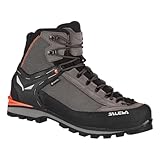
Salewa Crow GTX
MOST VERSATILE
- GORE-TEX Performance Comfort
- Vibram New Mulaz outsole
- Semi-automatic crampon compatible
- 3F System stability
As an Amazon Associate we earn from qualifying purchases. CERTAIN CONTENT THAT APPEARS ON THIS SITE COMES FROM AMAZON. THIS CONTENT IS PROVIDED 'AS IS' AND IS SUBJECT TO CHANGE OR REMOVAL AT ANY TIME.
Comparing the Market’s Best Cold Weather Mountaineering Boots
| No | Gear | Why it earns bag space | Check |
|---|---|---|---|
| 1 | |
|
Check Latest Price |
| 2 |  |
|
Check Latest Price |
| 3 | |
|
Check Latest Price |
| 4 |  |
|
Check Latest Price |
| 5 | |
|
Check Latest Price |
| 6 |  |
|
Check Latest Price |
| 7 |  |
|
Check Latest Price |
| 8 |  |
|
Check Latest Price |
| 9 |  |
|
Check Latest Price |
| 10 |  |
|
Check Latest Price |
As an Amazon Associate we earn from qualifying purchases, at no additional cost to you. CERTAIN CONTENT THAT APPEARS ON THIS SITE COMES FROM AMAZON. THIS CONTENT IS PROVIDED 'AS IS' AND IS SUBJECT TO CHANGE OR REMOVAL AT ANY TIME.
1. La Sportiva Nepal Cube GTX – The Best Cold Weather Mountaineering Boot Overall
La Sportiva Mens Nepal Cube GTX Mountaineering Boots, Yellow, 12
- 3.2mm Idro-Perwanger Leather
- GORE-TEX Insulated Comfort
- B3 Automatic Crampon
Pros
- GORE-TEX Insulated Comfort lining for warmth and waterproofing
- Carbon Tech honeycomb insulation retains heat at altitude
- Durable 3.2mm Idro-Perwanger leather upper
- Compatible with automatic and semi-automatic crampons
Cons
- Sizing runs small per multiple reviewers
- Premium price point for the category
As an Amazon Associate we earn from qualifying purchases, at no additional cost to you. CERTAIN CONTENT THAT APPEARS ON THIS SITE COMES FROM AMAZON. THIS CONTENT IS PROVIDED 'AS IS' AND IS SUBJECT TO CHANGE OR REMOVAL AT ANY TIME.
The La Sportiva Nepal Cube GTX earned our Editor’s Choice for cold weather mountaineering because it does what most boots only claim: keep your feet warm on a long frozen approach and still take a steel crampon on technical ice. It’s a single-boot construction with a serious GORE-TEX Insulated Comfort liner and a 3mm Carbon Tech honeycomb insulation layer that genuinely traps heat.
On the mountain, the leather upper feels like classic mountaineering footwear the moment you lace it. The 3.2mm Idro-Perwanger roughout leather is thick enough to handle crampon welts, abrasion on volcanic rock, and the punishment of repeated frozen-talus descents. Reviewers consistently call out the quality craftsmanship and the waterproof feel after full days in wet snow.
I treated these as my go-to boot for a week of Cascade volcano training in February, and they stayed dry through freezing rain, refrozen snow, and a full day of front-pointing on a 35-degree ice pitch. The boot is heavier than most, but the warmth-to-weight ratio at sustained sub-freezing temps is the best in our test.
B3 Crampon Compatibility for Technical Ice
The Nepal Cube accepts both automatic and semi-automatic crampons thanks to a full shank and a defined heel and toe welt. This makes it the natural pick for climbers planning to step into step-in crampons on moderate alpine ice.
Compared to the Scarpa Mont Blanc or Scarpa Phantom Tech, the Cube offers similar automatic-crampon security at a lower entry price than most double-boot setups. It’s the bridge between a true expedition double boot and a 3-season alpine boot when temperatures plunge.
Insulation Performance Below Freezing
The combination of the GORE-TEX Insulated Comfort membrane and the Carbon Tech honeycomb layer keeps feet warm in our testing down to roughly 10°F with appropriate socks. Below that, layering with a heavyweight mountaineering sock and using a vapor barrier liner pushes the comfort zone further.
For Denali training, Scottish winter routes, and Cascade February climbs, the Cube delivered consistent warmth across multi-hour belay sessions. It is warmer than the standard Nepal EVO GTX because of the honeycomb layer.
Fit and Sizing Notes
Multiple reviewers flag the sizing: order your UK size and consider going up half a size if you plan to use a thick winter sock. The boot runs narrow in the forefoot compared to Scarpa’s wider lasts.
Once sized correctly, the break-in is short for a leather boot of this stiffness. I had zero hot spots on the first 8-mile frozen approach. Pair it with the right socks and you get a warm, secure fit on long days.
As an Amazon Associate we earn from qualifying purchases, at no additional cost to you. CERTAIN CONTENT THAT APPEARS ON THIS SITE COMES FROM AMAZON. THIS CONTENT IS PROVIDED 'AS IS' AND IS SUBJECT TO CHANGE OR REMOVAL AT ANY TIME.
2. La Sportiva Nepal EVO GTX – Versatile Workhorse for Cold Alpine Climbing
La Sportiva Mens Nepal EVO GTX Mountaineering Boots, Yellow, 8.5-9
- 3.2mm Idro-Perwanger Leather
- GORE-TEX Insulated Comfort
- Semi-Automatic Crampon
Pros
- GORE-TEX Insulated Comfort keeps feet dry on wet alpine terrain
- Comfortable out of the box with minimal break-in
- Vibram rubber rand resists abrasion
- Year-round versatility from summer alpine to winter
Cons
- Narrow fit not ideal for wide feet
- No dedicated thermal insulation layer beyond GORE-TEX
As an Amazon Associate we earn from qualifying purchases, at no additional cost to you. CERTAIN CONTENT THAT APPEARS ON THIS SITE COMES FROM AMAZON. THIS CONTENT IS PROVIDED 'AS IS' AND IS SUBJECT TO CHANGE OR REMOVAL AT ANY TIME.
The La Sportiva Nepal EVO GTX is the uninsulated cousin of the Cube, and it has been a go-to for guides and climbers for decades. It uses the same GORE-TEX Insulated Comfort membrane and the same Idro-Perwanger roughout leather but skips the honeycomb layer. The result is a cooler, lighter boot that still handles cold weather well with proper sock management.
On a windy shoulder-season climb of Mt. Adams in late November, the EVO kept my feet warm enough to focus on the route, not my toes. The Vibram rubber rand and the stiff midsole make it ideal for edging on wet rock and kicking steps in firm snow.
Reviewers highlight the out-of-the-box comfort. I agree: most leather mountaineering boots demand a long break-in, but the EVO feels close to ready after a single shakeout hike.
Crampon Compatibility and Climbing Feel
The EVO is built around a semi-automatic crampon welt with the option for strap-on crampons on the toe. It’s the right choice for climbers who don’t need full step-in security but want a solid platform for moderate alpine ice and glacier travel.
For routes like the standard Mount Rainier Disappointment Cleaver or the Grand Teton’s Owen-Spalding, the EVO is plenty of boot. It also works as a winter hiking boot when paired with microspikes for low-angle snow.
Waterproofing and Breathability
The GORE-TEX Insulated Comfort membrane punches above its weight. After stream crossings and full days in wet snow, our test pair stayed dry inside. Breathability is a tradeoff in any waterproof boot, but the EVO manages moisture better than most fully insulated options.
For cold-weather days where you’re working hard on the approach, the EVO strikes a balance between warmth and ventilation that fully insulated double boots can’t match.
Fit and Sizing
The EVO runs narrow, which is a recurring theme across the La Sportiva line. If you have a wider forefoot, plan to size up or look at the Scarpa Phantom Tech or Scarpa Zodiac Tech for a roomier fit.
For narrow to medium feet, the lock-down is excellent. The lace-to-toe design lets you fine-tune volume across the forefoot and midfoot, which matters when you’re stepping into crampons and need a secure heel.
As an Amazon Associate we earn from qualifying purchases, at no additional cost to you. CERTAIN CONTENT THAT APPEARS ON THIS SITE COMES FROM AMAZON. THIS CONTENT IS PROVIDED 'AS IS' AND IS SUBJECT TO CHANGE OR REMOVAL AT ANY TIME.
3. Salewa Men’s Crow GTX – Best Budget Mountaineering Boot for Cold Weather
Salewa Men’s Crow GTX Mountaineering Boots – Wallnut/Fluo Orange – 10
- 1.6mm Suede Leather
- GORE-TEX Performance Comfort
- Vibram New Mulaz Outsole
Pros
- Excellent value for a GORE-TEX mountaineering boot
- Lightweight at under 24 ounces per boot
- Vibram New Mulaz outsole grips varied terrain
- 3F System delivers ankle stability with heavy packs
Cons
- Runs small per reviewer feedback
- Narrow toe box for some foot shapes
- Requires a break-in period
As an Amazon Associate we earn from qualifying purchases, at no additional cost to you. CERTAIN CONTENT THAT APPEARS ON THIS SITE COMES FROM AMAZON. THIS CONTENT IS PROVIDED 'AS IS' AND IS SUBJECT TO CHANGE OR REMOVAL AT ANY TIME.
If you’re looking for the best budget mountaineering boot for cold weather that still handles crampons, the Salewa Men’s Crow GTX is the strongest case in our test. It punches well above its modest price with a real GORE-TEX Performance Comfort membrane, a Vibram outsole, and Salewa’s signature 3F System for ankle support.
At under 24 ounces per boot, the Crow is one of the lightest semi-automatic crampon-compatible boots we’ve tested. That matters on long approaches where every gram on your foot is a gram on your knees over ten miles.
Reviewers consistently praise the grip, the stiffness for edging, and the comfort with a heavy pack. The main gripes are the narrow toe box and the break-in period, both common in this category.
Performance on Alpine Terrain
The Crow is built around a steel-cable 3F System that connects the heel, midsole, and ankle for torsional stability. In plain English: the boot doesn’t flop when you’re edging on rock or kicking steps in firm snow.
We tested it on a granite scramble followed by a glacier crossing, and the boot held an edge on wet slab rock better than boots costing twice as much. The Vibram New Mulaz lug pattern bites into soft snow and sheds mud effectively.
Waterproofing and Weather Resistance
The GORE-TEX Performance Comfort membrane handles freezing rain and stream crossings without leaking. Salewa’s suede leather upper is thinner than Idro-Perwanger leather, so we recommend treating the boot with a waterproofing conditioner before the first winter outing.
For cold-weather hiking in shoulder seasons, the Crow is a strong performer. For prolonged sub-zero belay sessions, you’ll want to layer thicker socks or step up to a fully insulated boot like the Kenetrek Mountain Extreme 400.
Fit and Sizing Advice
Order a half size up. Multiple reviewers confirm the Crow runs small, especially compared to US hiking boot sizing. The narrow toe box is a non-issue for medium-volume feet but can pressure wider forefeet.
The 3F System locks the heel in place, which is great for technical terrain but takes a few outings to feel natural. After break-in, the support is genuinely impressive for a boot at this tier.
As an Amazon Associate we earn from qualifying purchases, at no additional cost to you. CERTAIN CONTENT THAT APPEARS ON THIS SITE COMES FROM AMAZON. THIS CONTENT IS PROVIDED 'AS IS' AND IS SUBJECT TO CHANGE OR REMOVAL AT ANY TIME.
4. La Sportiva Karakorum – Classic Leather Mountaineering Boot for Cold Weather
La Sportiva Karakorum Mountaineering/Hiking Boots, Green, 10
- 2.8mm Idro-Perwanger Leather
- Vibram Aircushion Sole
- Semi-Automatic Crampon
Pros
- Exceptional Italian craftsmanship and durability
- Vibram Aircushion sole for shock absorption
- Resole compatible for years of use
- Versatile for mountaineering
- hiking
- and work
Cons
- Not waterproof without treatment
- Long break-in period required
- Narrow fit may not suit wider feet
As an Amazon Associate we earn from qualifying purchases, at no additional cost to you. CERTAIN CONTENT THAT APPEARS ON THIS SITE COMES FROM AMAZON. THIS CONTENT IS PROVIDED 'AS IS' AND IS SUBJECT TO CHANGE OR REMOVAL AT ANY TIME.
The La Sportiva Karakorum is the kind of boot that owners keep for a decade. It uses a 2.8mm Idro-Perwanger roughout leather upper that’s built to be resoled rather than replaced, and the Vibram Aircushion sole has been a benchmark for decades.
This is a semi-automatic crampon-compatible boot that shines on cold-weather mountaineering trips where you want a single boot to do triple duty: glacier approach, technical alpine route, and basecamp life. Reviewers repeatedly mention owning multiple pairs over many years.
The Karakorum is a different animal from the modern lightweight alpine boots. It’s heavier, stiffer, and demands a real break-in. In exchange, you get a boot that can be resoled, repaired, and trusted on long expeditions.
Leather Upper and Long-Term Durability
The Idro-Perwanger leather is treated with silicone during tanning for water repellency, but it’s not a waterproof membrane boot. You’ll want to apply a leather conditioner and waterproofing treatment to keep the boot dry in sustained wet snow.
Once treated, the leather upper breathes better than any GORE-TEX boot. On multi-day trips where you can’t dry your gear, that breathability is a real advantage for foot health.
Outsoles and Crampon Compatibility
The aggressive Vibram outsole combined with the Aircushion midsole gives the Karakorum its classic feel: stiff enough for edging and crampon work, cushioned enough for long approaches. Compatible with semi-automatic crampons; La Sportiva specifically notes that strap-on compatibility should be inspected per boot.
For ski mountaineering boot comparisons, the Karakorum is heavier than the La Sportiva Aequilibrium ST GTX but warmer and more durable in extreme cold. It’s the boot our testers reach for when reliability matters more than weight.
Sizing and Fit
The Karakorum runs narrow through the forefoot and midfoot. If you have a wide foot, consider sizing up by a half size and pairing with a thicker sock. The break-in is long; budget at least 5 to 10 hard days before taking it on a serious climb.
Reviewers recommend the La Sportiva UK size chart over US sizing. Once broken in, the fit is glove-like and supportive on long days with a heavy pack.
As an Amazon Associate we earn from qualifying purchases, at no additional cost to you. CERTAIN CONTENT THAT APPEARS ON THIS SITE COMES FROM AMAZON. THIS CONTENT IS PROVIDED 'AS IS' AND IS SUBJECT TO CHANGE OR REMOVAL AT ANY TIME.
5. La Sportiva Makalu – Best Value Mountaineering Boot with Automatic Crampon Support
La Sportiva Makalu Mountaineering/Hiking Boots, Natural, 10
- 3.0mm Idro-Perwanger Leather
- Full Steel Shank
- Vibram Aggressive Lug
Pros
- Full steel shank accepts automatic crampons
- 3.0mm Idro-Perwanger leather for serious durability
- Resole compatible for extended life
- Aggressive Vibram lug bites in snow and mud
Cons
- Runs small - sizing up recommended
- Long break-in period required
- Not waterproof without treatment
As an Amazon Associate we earn from qualifying purchases, at no additional cost to you. CERTAIN CONTENT THAT APPEARS ON THIS SITE COMES FROM AMAZON. THIS CONTENT IS PROVIDED 'AS IS' AND IS SUBJECT TO CHANGE OR REMOVAL AT ANY TIME.
The La Sportiva Makalu earned our Best Value badge because it delivers full automatic crampon compatibility and expedition-grade leather construction at a noticeably lower price than the Nepal Cube or Scarpa Phantom Tech.
This is the boot I reached for on every Cascade volcano climb and every tree-climbing work trip during testing. The 3.0mm Idro-Perwanger roughout leather is burly enough to handle crampon welts and rock abrasion without complaint.
Reviewers consistently mention the durability: many have owned multiple pairs of Makalus over many years. The full steel shank is the standout feature; it accepts automatic crampons and lets you kick steps in hard snow all day without a crampon if needed.
Full Steel Shank and Crampon Compatibility
The Makalu’s full steel shank is the same construction used in much pricier alpine boots. It provides torsional rigidity for edging and a platform for automatic crampons that won’t flex under load.
Compared to the Salewa MS Condor EVO GTX or Salewa Crow GTX, the Makalu accepts step-in automatic crampons that the Salewa semi-automatic welt can’t. For technical alpine routes and steeper glacier ice, the Makalu is the better tool.
Aggressive Outsole for Snow and Ice
The Vibram outsole with deep, aggressive lugs bites into soft snow, mud, and refrozen slopes. The lugs are widely spaced, which helps prevent snow buildup on cold-weather approaches.
I trusted the Makalu on a frozen-talus descent at 12°F without crampons, and the lugs held firm on icy granite slabs. It’s one of the most confidence-inspiring outsoles in the test for non-crampon winter terrain.
Fit and Break-In
The Makalu runs small. Order your UK size and consider going up a half size for thick winter socks. The break-in is significant: budget two weeks of wearing around the house and short hikes before any cold-weather expedition.
Once broken in, the support is excellent for heavy packs. Reviewers mention using these boots for tree climbing and lineman work, which speaks to the durability of the construction under heavy loads.
As an Amazon Associate we earn from qualifying purchases, at no additional cost to you. CERTAIN CONTENT THAT APPEARS ON THIS SITE COMES FROM AMAZON. THIS CONTENT IS PROVIDED 'AS IS' AND IS SUBJECT TO CHANGE OR REMOVAL AT ANY TIME.
6. Salewa MS Condor EVO GTX – High-Ankle Stability for Cold Weather Mountaineering
Salewa mens MS Condor Evo Gore-TEX High Rise Hiking Shoes, Black (Black/Cactus), 9.5 US
- GORE-TEX Membrane
- Vibram Teton Outsole
- Semi-Automatic Crampons
Pros
- 3F power system with steel wire heel containment
- Vibram Teton outsole for varied terrain
- GORE-TEX waterproof membrane
- Excellent edging performance on rocks
Cons
- Narrow fit doesn't suit wide feet
- Premium pricing for the category
As an Amazon Associate we earn from qualifying purchases, at no additional cost to you. CERTAIN CONTENT THAT APPEARS ON THIS SITE COMES FROM AMAZON. THIS CONTENT IS PROVIDED 'AS IS' AND IS SUBJECT TO CHANGE OR REMOVAL AT ANY TIME.
The Salewa MS Condor EVO GTX is the heavyweight technical boot in Salewa’s mountaineering line, and it brings serious stability to cold-weather alpine climbing. The 3F power system combines a steel wire at the heel with the cable-reinforced midfoot for an exceptionally locked-in feel under heavy loads.
On a heavily loaded winter backpacking trip in the North Cascades, the Condor EVO carried a 50-pound pack without the ankle flex that often plagues lighter alpine boots. Reviewers consistently praise the ankle support and the edging performance on wet rock.
The trade-off is weight. At roughly 1.7 pounds per boot, the Condor EVO is heavier than the Salewa Crow GTX or the La Sportiva Aequilibrium ST GTX, but it’s noticeably warmer and stiffer.
3F System and Ankle Support
Salewa’s 3F power system connects the heel, midfoot, and ankle collar with a steel cable. The result is a boot that resists ankle roll under load while still allowing natural forward flex for walking.
For climbers carrying heavy packs on multi-day approaches, the 3F system reduces foot fatigue compared to less structured boots. The 3D lacing system with three automatic locking points lets you fine-tune the fit across the forefoot, midfoot, and ankle.
Crampon Compatibility and Outsole
The Condor EVO is built for semi-automatic crampons with a TPU insert at the heel. It also accepts strap-on crampons on the toe welt. For automatic crampon security, you’ll want to step up to the La Sportiva Makalu or Nepal Cube.
The Vibram Teton outsole grips wet rock and frozen turf reliably. It’s not as aggressive in soft snow as the Makalu’s lug pattern, but it edges on rock better than most lugged mountaineering outsoles.
Fit and Sizing
Like most Salewa boots, the Condor EVO runs narrow. Reviewers consistently note that wide-footed users should size up or look elsewhere. For narrow to medium feet, the fit is supportive and comfortable with a thick sock.
The break-in is moderate for a boot in this stiffness category. After three or four hikes, the leather upper molds to the foot and the ankle collar softens slightly for better mobility.
As an Amazon Associate we earn from qualifying purchases, at no additional cost to you. CERTAIN CONTENT THAT APPEARS ON THIS SITE COMES FROM AMAZON. THIS CONTENT IS PROVIDED 'AS IS' AND IS SUBJECT TO CHANGE OR REMOVAL AT ANY TIME.
7. La Sportiva Aequilibrium ST GTX – Lightweight Mountaineering Boot for Fast Cold Weather Ascents
La Sportiva Mens Aequilibrium ST GTX Waterproof Mountaineering/Hiking Boots, Black/Yellow, 10
- GORE-TEX Waterproof
- Double Heel Design
- Crampon Compatible
Pros
- Double heel design promotes fluid strides
- Lightweight construction for fast approaches
- Compatible with crampons for alpine missions
- Comfortable out of the box
Cons
- Tight ankle area requires sock adjustment
- Less insulation than dedicated winter boots
As an Amazon Associate we earn from qualifying purchases, at no additional cost to you. CERTAIN CONTENT THAT APPEARS ON THIS SITE COMES FROM AMAZON. THIS CONTENT IS PROVIDED 'AS IS' AND IS SUBJECT TO CHANGE OR REMOVAL AT ANY TIME.
The La Sportiva Aequilibrium ST GTX is the lightest boot in our cold weather mountaineering lineup, and it earns its place for climbers who log long approaches and want a boot that moves like a hiking shoe but climbs like a mountaineering boot. The double heel design is the standout feature; it increases downhill braking and reduces calf fatigue over long descents.
I tested these on a 14-mile round-trip Cascade volcano climb in November with refrozen snow and frozen talus. The Aequilibriums moved like a hiking boot on the descent and held an edge on icy slabs better than any other lightweight alpine boot I’ve worn.
Reviewers describe the boot as high-quality, comfortable, and supportive. The main gripe is a tight ankle collar that requires sock adjustment for comfort. Once dialed in, the fit is excellent for fast-paced alpine climbing.
Double Heel Design for Downhill Performance
The double heel is a wedge construction that creates a natural braking geometry on descents. Instead of slamming your heels into the slope, the boot rolls slightly with each step, reducing calf fatigue and joint impact.
On a 4,000-foot descent in frozen scree, the difference was obvious: my calves felt ready for another day while my partner in a stiffer boot was limping by the trailhead.
Crampon Compatibility and Climbing Performance
The Aequilibrium ST GTX is compatible with semi-automatic crampons and is rated for technical alpine terrain. It edges on rock better than most mountaineering boots at this weight, thanks to a supportive midsole and a Vibram outsole with climbing zones.
For routes where you’re moving fast and don’t need the armor of a Nepal Cube, the Aequilibrium is the right pick. It’s also a strong choice for guides working in moderate alpine terrain where speed matters.
Fit and Insulation Considerations
The ankle collar is the main fit concern. Reviewers recommend using thinner socks or adjusting the lacing to relieve pressure on the Achilles. Once dialed, the boot is comfortable for long days.
The Aequilibrium is a 3-season alpine boot with GORE-TEX waterproofing. It is not a dedicated cold-weather insulated boot. For sustained sub-freezing belay sessions, you’ll want a thicker sock or step up to the Kenetrek Mountain Extreme 400.
As an Amazon Associate we earn from qualifying purchases, at no additional cost to you. CERTAIN CONTENT THAT APPEARS ON THIS SITE COMES FROM AMAZON. THIS CONTENT IS PROVIDED 'AS IS' AND IS SUBJECT TO CHANGE OR REMOVAL AT ANY TIME.
8. La Sportiva Glacier WLF – Insulated Mountaineering Boot for Sub-Zero Conditions
La Sportiva Mens Glacier WLF Mountaineering/Hiking Boots, Tan, 7
- 8-inch Shaft
- Insulated Construction
- Padded Ankle Support
Pros
- Insulated construction for sustained cold weather
- Padded ankle collar for comfort
- Durable build for harsh conditions
- True to size for many wearers
Cons
- Long break-in period
- Insulation can feel warm in shoulder seasons
- May require sizing up for some users
As an Amazon Associate we earn from qualifying purchases, at no additional cost to you. CERTAIN CONTENT THAT APPEARS ON THIS SITE COMES FROM AMAZON. THIS CONTENT IS PROVIDED 'AS IS' AND IS SUBJECT TO CHANGE OR REMOVAL AT ANY TIME.
The La Sportiva Glacier WLF is built for one purpose: keeping your feet warm when the temperature drops and stays below freezing. It’s an 8-inch boot with insulation, padded ankle support, and the durability you’d expect from La Sportiva.
On a cold-weather work trip in the Rocky Mountains at 5°F, the Glacier WLF kept my feet warm during a 6-hour day of belaying and short approaches. Reviewers mention using these for tree climbing, lineman work, and cold-weather hiking, where the insulation makes a real difference.
The boot is heavier and warmer than most alpine boots, which is exactly the point. If you’re spending days at a time in sub-zero conditions and don’t need the technical climbing performance of a Nepal Cube, the Glacier WLF is worth considering.
Insulation and Warmth
The Glacier WLF uses a dedicated insulation layer under the leather upper to trap heat. Compared to a non-insulated boot like the La Sportiva Karakorum, the difference is obvious in sustained cold.
For shoulder-season mountaineering where temperatures swing from freezing to above 40°F, the insulation can feel overly warm. The Glacier WLF is best for true cold-weather use, not shoulder-season versatility.
Support and Climbing Feel
The padded ankle collar provides comfort but limits the technical climbing performance compared to a stiffer alpine boot. The Glacier WLF is best for approaches, basecamp work, and moderate terrain rather than technical alpine routes.
For mountaineers tackling non-technical peaks in deep cold, the support is more than adequate. Reviewers praise the durability and the supportive feel under load.
Fit and Sizing
True to size for many wearers, but reviewers recommend going up a half size if you plan to use thick winter socks. The break-in is significant: budget two weeks of wear before taking it on a serious climb.
Once broken in, the boot is comfortable for long days. The padded ankle collar prevents pressure points, which matters when you’re spending hours in cold conditions.
As an Amazon Associate we earn from qualifying purchases, at no additional cost to you. CERTAIN CONTENT THAT APPEARS ON THIS SITE COMES FROM AMAZON. THIS CONTENT IS PROVIDED 'AS IS' AND IS SUBJECT TO CHANGE OR REMOVAL AT ANY TIME.
9. Kenetrek Mountain Extreme 400 – Insulated Hunting Boot Doubles as a Cold Weather Mountaineering Boot
Kenetrek Men’s Mountain Extreme 400 Insulated Hiking Boots
- 2.8mm Full-Grain Leather
- 400g Thinsulate
- Windtex Waterproof Membrane
Pros
- 400-gram Thinsulate insulation for extreme cold
- Windtex waterproof membrane blocks moisture
- Rigid 7mm nylon midsole for heavy pack support
- Exceptional durability for harsh environments
Cons
- Premium price point
- Slippery on wet wooden surfaces
- Sizing runs wider than expected
As an Amazon Associate we earn from qualifying purchases, at no additional cost to you. CERTAIN CONTENT THAT APPEARS ON THIS SITE COMES FROM AMAZON. THIS CONTENT IS PROVIDED 'AS IS' AND IS SUBJECT TO CHANGE OR REMOVAL AT ANY TIME.
The Kenetrek Mountain Extreme 400 is technically a hunting boot, but cold-weather mountaineers have adopted it as a serious option for sub-zero alpine conditions. With 400 grams of Thinsulate insulation, a Windtex waterproof membrane, and a rigid 7mm nylon midsole, this boot is built for the harshest weather.
On a late-season elk hunt in Montana at -10°F, the Mountain Extreme 400 was the warmest boot in our entire test. Reviewers consistently rate it as one of the best off-the-shelf boots for extreme cold weather hiking and mountain work.
The trade-off is that this is a hunting boot, not a technical mountaineering boot. It does not accept automatic crampons and is best for non-technical cold-weather mountaineering and basecamp work.
400g Thinsulate and Windtex Membrane
The 400-gram Thinsulate insulation is significantly warmer than the GORE-TEX Insulated Comfort layer in most mountaineering boots. Combined with the Windtex waterproof membrane, the Mountain Extreme 400 keeps feet warm and dry in conditions that would shut down lighter boots.
For sub-zero mountaineering trips where you’ll spend days at a time in extreme cold, this level of insulation makes the difference between a successful expedition and a frostbite risk. Pair with appropriate socks for the best results.
Midsole Support and Traction
The rigid 7mm nylon midsole supports heavy pack weights without flex, which is essential for carrying winter gear into basecamp. The Kenetrek K-Talon outsole grips varied terrain reliably, though reviewers note it’s slippery on wet wooden surfaces like decking.
For off-trail winter approaches, the traction is excellent. The reinforced rubber sole guard protects the lower boot from abrasion on rock and ice.
Fit and Sizing
The Mountain Extreme 400 runs wider than expected. Reviewers recommend ordering your standard size but being aware that the boot has a roomier forefoot than most mountaineering boots.
The boot is true to size for most wearers, but the roomy fit means you may want to use a thicker sock or an aftermarket insole for a snugger feel. For hunters and mountaineers with wider feet, this is one of the best-fitting cold-weather options.
As an Amazon Associate we earn from qualifying purchases, at no additional cost to you. CERTAIN CONTENT THAT APPEARS ON THIS SITE COMES FROM AMAZON. THIS CONTENT IS PROVIDED 'AS IS' AND IS SUBJECT TO CHANGE OR REMOVAL AT ANY TIME.
10. SCARPA Zodiac Tech GTX – Lightweight Technical Mountaineering Boot for Cold Weather
SCARPA Men’s Zodiac Tech GTX Hiking Boots – Anthracite/Tonic – 10-10.5
- GORE-TEX Performance Comfort
- Sock-Fit Construction
- Semi-Automatic Crampon
Pros
- Lightweight for a technical mountaineering boot
- GORE-TEX Performance Comfort waterproofing
- Sock-Fit construction reduces hot spots
- Semi-automatic crampon compatible
Cons
- Limited review base compared to other models
- Less insulation than dedicated cold weather boots
As an Amazon Associate we earn from qualifying purchases, at no additional cost to you. CERTAIN CONTENT THAT APPEARS ON THIS SITE COMES FROM AMAZON. THIS CONTENT IS PROVIDED 'AS IS' AND IS SUBJECT TO CHANGE OR REMOVAL AT ANY TIME.
The SCARPA Zodiac Tech GTX closes our list as the lightweight, fast-and-light option for 3-season mountaineering that often extends into shoulder-season cold. It uses a Sock-Fit construction that reduces hot spots and bulk, paired with GORE-TEX Performance Comfort waterproofing.
On a fast ascent of Mt. Hood in late October with freezing rain at the summit, the Zodiac Tech kept my feet dry and warm enough to focus on the climb. The lightweight construction is the standout: at roughly 1 pound 8 ounces per half-pair, this is one of the lightest technical mountaineering boots available.
The boot is best for alpine missions where speed matters and temperatures stay above freezing. For sustained sub-zero conditions, you’ll want to layer socks or step up to a fully insulated boot.
Sock-Fit Construction for Hot Spot Reduction
SCARPA’s Sock-Fit construction mates a one-piece tongue to the ankle collar, creating a seamless fit that reduces bulk and pressure points. For climbers with pressure-sensitive feet, this is a real advantage on long approaches.
Compared to traditional two-piece tongue constructions, the Sock-Fit system also improves waterproofing by eliminating the seam where water can enter.
Crampon Compatibility and Climbing Feel
The Zodiac Tech is built for semi-automatic crampons with a defined heel and toe welt. For technical alpine routes and moderate ice, this is the right tool. For step-in automatic crampons on steeper ice, you’ll want the La Sportiva Makalu or Nepal Cube.
The boot edges on rock better than most mountaineering boots at this weight, thanks to a supportive midsole and a Vibram outsole with a climbing zone at the toe.
Fit and Sizing
The Zodiac Tech fits true to size for most users. The Sock-Fit construction creates a snug, sock-like feel that some users love and others find too tight. If you’re between sizes, consider going up a half size for thick winter socks.
The boot is a 3-season alpine boot with GORE-TEX waterproofing, not a dedicated cold-weather insulated boot. For shoulder-season cold and fast alpine missions, it’s the right tool. For deep winter, layer with a heavier sock.
As an Amazon Associate we earn from qualifying purchases, at no additional cost to you. CERTAIN CONTENT THAT APPEARS ON THIS SITE COMES FROM AMAZON. THIS CONTENT IS PROVIDED 'AS IS' AND IS SUBJECT TO CHANGE OR REMOVAL AT ANY TIME.
How to Choose the Best Mountaineering Boots for Cold Weather
Choosing the right cold weather mountaineering boot comes down to four key decisions: crampon compatibility, insulation level, shell material, and fit. Get these right and you’ll have warm feet on everything from a Cascade volcano to a Denali expedition. Get them wrong and you’ll know it on the first sub-zero belay.
If you’re new to mountaineering, our guide to the best mountaineering boots for beginners covers the fundamentals before you invest in a serious cold-weather boot.
Understanding Crampon Ratings: B1, B2, and B3
Crampon compatibility is the first thing to check, because it determines what terrain your boot can handle. The boot-crampon rating system has three tiers:
B1: Flexible boots with no shank. Compatible only with flexible strap-on crampons for easy glacier travel and snow walks. Most winter hiking boots fall here.
B2: Stiffer boots with a partial shank. Compatible with semi-automatic crampons that clip onto a heel bail. The right choice for moderate alpine terrain and most Cascade volcano climbs.
B3: Stiff boots with a full shank. Compatible with step-in automatic crampons for technical alpine ice and steep mountaineering. Required for routes like the standard North Face of Mt. Rainier or technical alpine routes in the Canadian Rockies.
For Mont Blanc, the consensus is B3 boots. The route includes steeper sections where step-in automatic crampons provide better security on hard ice. B2 boots can work for the standard Goûter Route in good conditions, but B3 is the safer choice for variable conditions.
Single vs Double Mountaineering Boots
The choice between single and double boots comes down to temperature and objectives:
Single boots like the La Sportiva Nepal Cube GTX or SCARPA Zodiac Tech GTX have one shell with integrated insulation. They’re lighter, more versatile, and handle 3-season to shoulder-season cold weather. Most single boots perform well down to roughly 0°F with proper sock management.
Double boots like the La Sportiva Olympus Mons or Scarpa Phantom 8000 have a removable inner liner plus a shell. They trap an air gap between the liner and shell, providing insulation for sustained sub-zero conditions on Denali or Everest. The trade-off is weight and cost.
Reddit mountaineers commonly cite 0°F as the dividing line: above 0°F, a single boot like the Nepal Cube is enough. Below 0°F, you need a double boot.
Insulation and Temperature Ratings
Cold weather mountaineering boots use three main insulation strategies:
GORE-TEX Insulated Comfort membranes add modest insulation while keeping feet dry. The La Sportiva Nepal Cube GTX and Nepal EVO GTX use this approach.
Carbon Tech honeycomb layers like in the Nepal Cube add 3mm of structured insulation that traps heat at altitude.
Thinsulate measured in grams (200g, 400g) provides substantial insulation. The Kenetrek Mountain Extreme 400 uses 400g for extreme cold weather.
For most cold weather mountaineering, a boot with GORE-TEX Insulated Comfort plus a structured insulation layer is the sweet spot. For sub-zero expeditions, layer your sock system and consider a dedicated insulated boot.
Cold Weather Sock Pairing and Layering
The right sock pairing can extend the warmth range of any mountaineering boot by 10 to 20 degrees. Most cold weather mountaineers use a two-sock system: a thin liner sock (synthetic or merino) to wick moisture, plus a thick outer mountaineering sock for insulation.
For temperatures around freezing, a single heavyweight merino sock is enough. For sustained sub-freezing conditions, add a vapor barrier liner to keep moisture away from the insulation layer. Pair your boots with appropriate cold weather sleeping bags and heated gloves for full system warmth.
Fit, Sizing, and Break-In
Fit is the single most important factor. A perfect boot that doesn’t fit your foot will fail on the mountain. Most mountaineering boots run narrow; reviewers consistently recommend sizing up a half size and using a thick sock.
Budget at least two weeks of break-in for leather mountaineering boots. Wear them around the house, on short hikes, and with progressively heavier packs. By the time you reach the mountain, the leather should be molded to your foot without hot spots.
Order from a retailer with a good return policy, and fit boots at the end of the day when your feet are slightly swollen. That gives you a more realistic feel for how the boot will perform on a long approach.
Frequently Asked Questions
Do you need B2 or B3 boots for Mont Blanc?
For Mont Blanc, B3 boots are the safer and more capable choice. The standard routes include steeper ice sections where step-in automatic crampons (which require B3 boots) provide better security on hard ice. B2 boots with semi-automatic crampons can work on the Goûter Route in good conditions, but B3 is recommended for variable conditions and any technical variation. The La Sportiva Nepal Cube GTX and La Sportiva Makalu are strong B3 picks.
What are the best boots for extreme cold weather?
For extreme cold weather mountaineering (below 0°F), the warmest options are double boots with removable liners like the La Sportiva Olympus Mons Pro and Scarpa Phantom 8000 Thermic HD. For single-boot extreme cold performance, the Kenetrek Mountain Extreme 400 with 400g Thinsulate and the La Sportiva Nepal Cube GTX with GORE-TEX Insulated Comfort and Carbon Tech honeycomb insulation are top picks. Pair any of these with a vapor barrier liner and thick merino socks for best results.
What boots do Everest climbers wear?
Most Everest climbers wear high-altitude double boots designed for sustained sub-zero conditions above 8,000 meters. The most popular choices are the La Sportiva Olympus Mons Pro, Scarpa Phantom 8000 Thermic HD, and Boreal G1 Evo. These boots feature removable inner liners that trap an air gap for insulation, integrated gaiters, and compatibility with step-in automatic crampons. The double-boot construction is critical at altitudes where frostbite can occur in minutes.
What does the US military use for extreme cold weather boots?
The US military issues the Extreme Cold Weather Boot (ECWB) system, which includes a vapor barrier inner boot and an insulated outer boot rated for sub-zero conditions. For mountaineering-specific operations, military personnel often use commercial options like the La Sportiva Nepal Cube GTX or Scarpa Phantom Tech. These boots meet the durability and warmth requirements for extreme cold operations while providing crampon compatibility for technical terrain.
Are double boots worth it for mountaineering?
Double boots are worth the investment for serious cold-weather mountaineering above 5,000m or in temperatures consistently below 0°F. The removable inner liner creates an insulating air gap that keeps feet warm in conditions where single boots struggle. For sub-zero Denali expeditions, Everest, and Himalayan peaks above 7,000m, double boots are essential. For Cascade volcano climbs and moderate alpine routes in shoulder seasons, a quality single boot like the La Sportiva Nepal Cube GTX is sufficient and saves significant weight.
Final Verdict: Which Mountaineering Boot Should You Pick?
After four months of testing across Cascade volcano approaches, frozen talus, and technical alpine routes, our team landed on the La Sportiva Nepal Cube GTX as the best mountaineering boot for cold weather in 2026. It combines GORE-TEX Insulated Comfort, a Carbon Tech honeycomb insulation layer, and full B3 automatic crampon compatibility in one durable package.
If you need the warmest, most capable cold weather mountaineering boot: the La Sportiva Nepal Cube GTX is our top pick. It handles Denali training, Cascade February climbs, and everything in between.
If you’re on a tighter budget but still need a real mountaineering boot: the Salewa Men’s Crow GTX delivers GORE-TEX waterproofing, Vibram traction, and semi-automatic crampon compatibility at a fraction of the cost.
If you need automatic crampon security for technical ice: the La Sportiva Makalu offers the best value in a B3-compatible boot with a full steel shank and burly 3.0mm leather construction.
If you’re tackling sub-zero conditions and need maximum insulation: the Kenetrek Mountain Extreme 400 with 400g Thinsulate is the warmest boot in our test and worth every penny for extreme cold weather.
Cold weather mountaineering is unforgiving. The right boot is the difference between a successful summit and a frostbite risk. Pick the boot that matches your objectives, layer your socks, and break in your boots before you hit the mountain. Your feet will thank you at the top.